Welcome to my blog — a place where real estate meets real life.

I’ve spent more than 20 years helping homeowners and families through some of the toughest property situations you can imagine: falling behind on mortgage payments, facing foreclosure, owing more than a home is worth, short sales, reverse mortgage problems, probate and estate properties, inherited homes, and every version of “I don’t know what to do next.”

This blog is where I break down complicated real estate situations in plain English, answer the questions people are actually searching for, and share practical information based on more than two decades of experience—including handling more than 150 short sales.

Here you’ll find weekly posts covering mortgage distress, foreclosure alternatives, Maryland short sales, reverse mortgage property sales, probate and inherited homes, distressed and as-is properties, along with market insights and real stories from the field.

Whether you’re behind on your mortgage, worried about foreclosure, dealing with an inherited property, helping a family member, or simply trying to understand your options, my goal is to give you clear information and a trusted place to start.


If the property situation isn’t simple, that’s where I come in.


June 1, 2026

Can You Sell a Home With a Reverse Mortgage in Maryland? (Baltimore Guide)

If you—or a family member—have a reverse mortgage on a property in the Baltimore, Maryland area, you may be wondering:

“Can we even sell the house?”

The answer is yes.

And honestly, a lot of people are surprised by that.

There’s a ton of confusion around reverse mortgages, especially when it comes to selling the home, paying off the balance, or understanding what happens if the loan amount has grown over time.

As a Baltimore real estate agent who works with reverse mortgage and estate-related properties, I’m going to break this down simply so you understand how the process actually works—and what your options are.

Yes, You Can Sell a Home With a Reverse Mortgage

A reverse mortgage does not prevent you from selling the property.

In fact, homeowners sell reverse mortgage properties all the time.

When the home sells:

  • The reverse mortgage balance gets paid off first
  • Any remaining equity belongs to the homeowner (or estate)

👉 That’s the key thing many people misunderstand.

What If the Loan Balance Is Higher Than the Home Value?

This is where reverse mortgages get confusing.

Many reverse mortgages are FHA-insured, which means:

👉 You (or your heirs) typically won’t owe more than the home’s market value.

In many cases:

  • The lender accepts the sale proceeds
  • FHA insurance covers the difference

That protection can be a huge relief for families.

Why Do People Sell Reverse Mortgage Homes?

There are a lot of reasons:

  • Downsizing
  • Moving into assisted living
  • Medical expenses
  • Inherited property situations
  • The homeowner passed away

And sometimes?

👉 Maintaining the property simply became too much.

How Does the Sale Process Work?

The process is similar to a traditional home sale, but with a few added steps:

  1. Determine the reverse mortgage payoff
  2. Evaluate the home’s market value
  3. List the property for sale
  4. Coordinate payoff approval with the lender
  5. Close the sale and satisfy the loan balance

👉 The important part is understanding the numbers before making decisions.

If you’re dealing with a reverse mortgage after a loved one has passed away, I also put together a guide explaining exactly what happens next: what happens to a house with a reverse mortgage after death.

Can You Sell the Property As-Is?

Absolutely.

Many reverse mortgage homes in the Baltimore real estate market:

  • Need updates
  • Have deferred maintenance
  • Haven’t been renovated in years

And that’s okay.

As a Baltimore Realtor experienced with reverse mortgage and estate sales, I help families determine:

  • Whether selling as-is makes sense
  • Or whether improvements could create a better outcome

What I’m Seeing Right Now in Baltimore

Here in the Baltimore area, I’m seeing more families dealing with reverse mortgage situations than ever before.

A lot of adult children inherit these homes and suddenly have to navigate:

  • The lender
  • The timeline
  • The property condition
  • Probate issues

👉 Most people feel overwhelmed at first because nobody ever explained how this stuff works.

👉 Key Takeaway

Having a reverse mortgage doesn’t mean you can’t sell the house—it just means you need a clear plan and accurate numbers.

Dan’s Take

Reverse mortgage situations scare people because they sound more complicated than they actually are.

And honestly?

Most families wait too long to ask questions because they’re worried there’s no good solution.

But what I’ve learned over the years is this:

👉 The earlier you understand the process, the easier the decisions become.

Most of the stress comes from uncertainty—not the actual options available.

If you’re dealing with a reverse mortgage property in Maryland, the most important thing to know is that you still have options.

Whether you’re planning to sell now, helping a parent transition, or handling an inherited property after a loss, understanding the numbers and timeline early can make a huge difference.

Every situation is different, and the best path depends on the condition of the home, the loan balance, and your long-term goals.

If you’re in the Baltimore area and trying to figure out your next step, I’m here to help walk you through it—no pressure, just honest guidance and real solutions.


Dan McDevitt

President | Realvolution Homes Group

Realtor® | Cummings & Company Realtors

📱 Call or Text: 410-670-4762

📧 Email: dan@realvolutionhomes.com

🌐 Website: https://www.realvolutionhomes.com

🏢 Office:

Cummings & Company Realtors

9607 Belair Road

Baltimore, MD 21236

🔗 Helpful Resources & Links:

👉 https://linktr.ee/realvolutionhomes

About Dan McDevitt

Dan McDevitt is a Baltimore, Maryland Realtor with Cummings & Company Realtors and President of Realvolution Homes Group. He specializes in reverse mortgage properties, probate sales, short sales, foreclosure prevention, and helping homeowners navigate complex real estate situations.


May 12, 2026

Can You Sell Your House If You Owe More Than It’s Worth? (Baltimore Guide)

A lot of homeowners think they’re trapped once they owe more than their house is worth. Most of the time, that’s not true.

If you’ve looked at your mortgage balance lately and thought:

“There’s no way I could sell this house…”

—you’re not alone.

I talk to homeowners across the Baltimore, Maryland area all the time who are dealing with this exact situation.

Maybe the market shifted.
Maybe repairs are needed.
Maybe life changed unexpectedly.

Whatever the reason, owing more than your home is worth can feel overwhelming fast.

But here’s the important part:

👉 You still have options.

As a Baltimore real estate agent specializing in short sales and distressed properties, I’m going to break down how selling an underwater home actually works—and what homeowners need to know before making a decision.

What Does “Underwater” Mean?

Being “underwater” simply means:

👉 You owe more on the mortgage than the home would sell for today.

Example:

  • Mortgage payoff: $425,000
  • Home value: $375,000

That means you’re roughly $50,000 underwater before closing costs.

And yes… it happens more often than people think.

Can You Still Sell the House?

Yes.

But the process depends on your financial situation and the amount owed.

In many cases, homeowners may be able to:

  • Bring money to closing
  • Negotiate with the lender
  • Pursue a short sale
  • Explore alternatives before foreclosure becomes an issue

👉 The biggest mistake is assuming there’s no solution.

What Is a Short Sale?

A short sale happens when:

👉 The lender agrees to accept less than what’s owed on the mortgage.

Instead of going through foreclosure, the homeowner works with the lender to sell the property and settle the debt.

That’s why short sales are often considered a proactive solution—not a last resort.

If you want a deeper breakdown of how short sales work in Maryland, I also put together a full guide here: what is a short sale and how does it work in Maryland.

What Causes Homeowners to Become Underwater?

There are a lot of reasons this happens:

  • Market changes
  • High-interest loans
  • Deferred maintenance
  • Divorce
  • Job loss or income changes
  • Taking cash out of equity previously

And sometimes?

👉 Life just happens.

What I’m Seeing Right Now in Baltimore

Here in the Baltimore real estate market, I’m starting to see more situations where:

  • Homeowners stretched financially during the market peak
  • Repairs and updates got expensive
  • Higher monthly payments created pressure

As a Baltimore Realtor working with distressed property situations, I can tell you:

👉 Most people wait too long before asking questions.

And that delay usually makes the situation harder—not easier.

👉 Key Takeaway

Owing more than your home is worth doesn’t mean you’re stuck—it means you need a strategy.

Dan’s Take

This is one of those situations where people feel embarrassed… and they shouldn’t.

The market changes.
Life changes.
Situations change.

I’ve worked with homeowners dealing with everything from divorce to medical issues to inherited properties with unexpected debt attached.

And what I’ve learned is:

👉 The earlier people face the situation, the more options they usually have.

Ignoring it rarely improves it.

If you owe more than your home is worth, don’t assume foreclosure is your only option.

There are often solutions available—from short sales to negotiated exits—that can help you move forward with less stress and more control.

Every situation is different, and the right strategy depends on your goals, your finances, and the condition of the property.

The important thing is getting accurate information early before the situation gets more complicated.

If you’re in the Baltimore area and trying to figure out your options, I’m here to help you walk through it—no pressure, just real guidance and honest answers.

Dan McDevitt

President | Realvolution Homes Group

Realtor® | Cummings & Company Realtors

📱 Call or Text: 410-670-4762

📧 Email: dan@realvolutionhomes.com

🌐 Website: https://www.realvolutionhomes.com

🏢 Office:

Cummings & Company Realtors

9607 Belair Road

Baltimore, MD 21236

🔗 Helpful Resources & Links:

👉 https://linktr.ee/realvolutionhomes

About Dan McDevitt

Dan McDevitt is a Baltimore, Maryland Realtor with Cummings & Company Realtors and President of Realvolution Homes Group. He specializes in short sales, foreclosure prevention, probate properties, reverse mortgage homes, and helping homeowners navigate complex real estate situations.


Posted in Short Sales
May 11, 2026

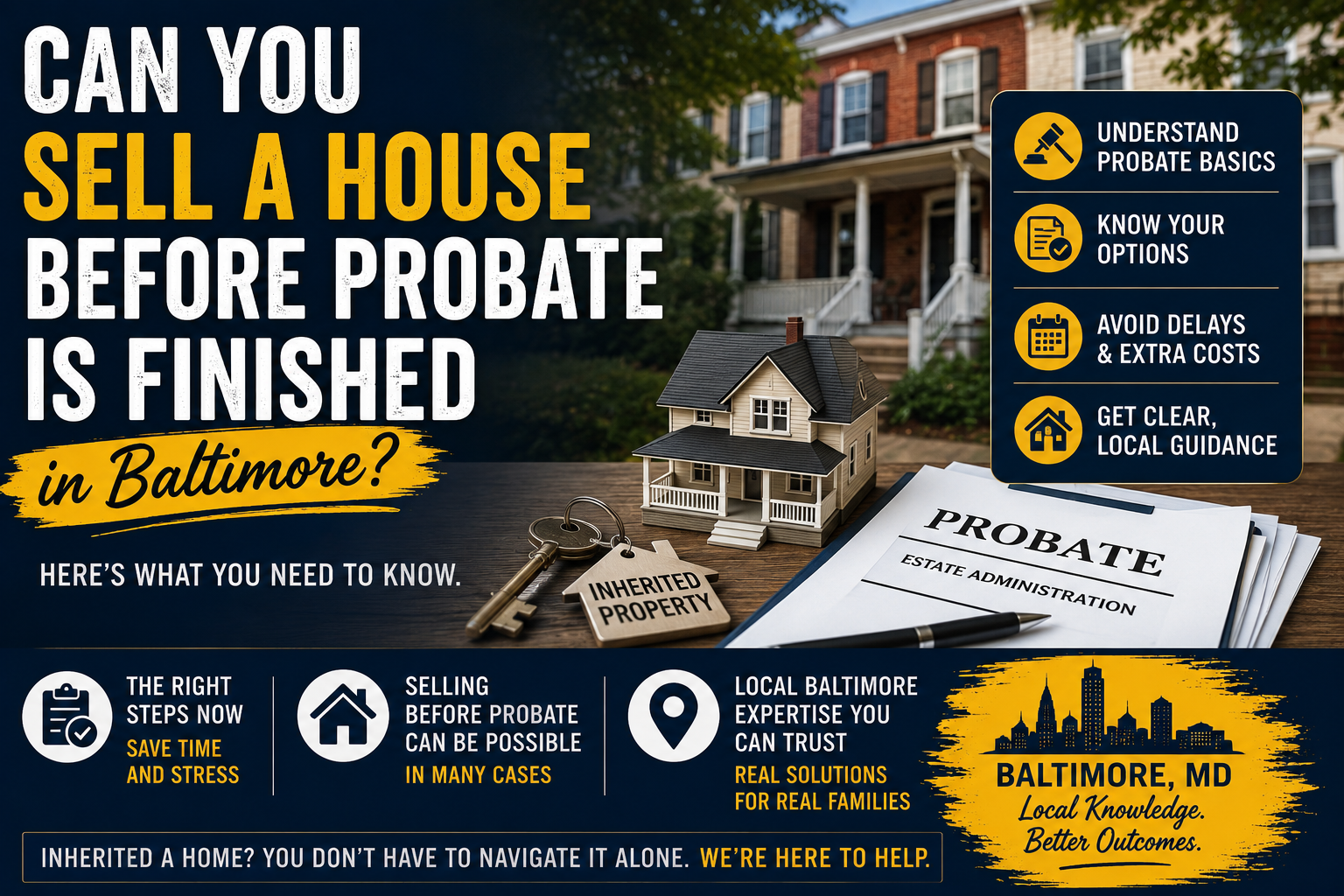
Can You Sell a House Before Probate Is Finished in Baltimore?

One of the biggest probate myths I hear is: “We can’t do anything with the house until probate is completely over.” That’s usually not true.

If you’re dealing with an inherited property in the Baltimore area, chances are someone in the family has already asked:

“Can we sell the house now… or do we have to wait?”

And honestly, the confusion makes sense.

Between probate paperwork, family decisions, and everything that comes with losing a loved one, most people aren’t exactly experts on Maryland estate law.

The good news?

In many situations, you can move forward with selling the home before probate is fully completed.

As a Baltimore real estate agent who works with probate and estate properties regularly, I’m going to break down how that works—and what families need to know.

What Is Probate, Exactly?

Probate is the legal process of settling someone’s estate after they pass away.

That usually includes:

  • Validating the will
  • Appointing a Personal Representative (executor)
  • Paying debts and taxes
  • Distributing assets

If there’s a house involved, that property becomes part of the estate.

So… Can You Sell the House Before Probate Ends?

👉 In many cases, yes.

Once the court appoints a Personal Representative, that person may have the authority to sell the property before the entire probate process is finished.

That’s the part people don’t realize.

You usually don’t have to wait until every single detail of probate is wrapped up before taking action on the home.

Why Families Choose to Sell Early

There are a lot of practical reasons families decide to move forward sooner rather than later:

  • The property is vacant
  • The house needs repairs
  • Mortgage payments or taxes are piling up
  • Family members live out of state
  • Nobody wants to maintain the property long-term

👉 And honestly?

Sometimes the emotional weight alone is enough.

A vacant inherited house can quickly turn into stress, conflict, and expense if nobody has a clear plan.

What Needs to Happen First?

Before selling, the estate typically needs:

  • A court-appointed Personal Representative
  • Authority to act on behalf of the estate
  • Proper documentation for the title company and buyer

Every probate situation is different, which is why it’s important to understand exactly where you are in the process before listing the home.

If you’re still trying to understand the probate process itself, I also put together a simple breakdown here: what happens to a house during probate in Maryland.

Can You Sell the Property As-Is?

Absolutely.

In fact, many probate homes in the Baltimore real estate market are sold as-is.

That means:

  • No major cleanout first
  • No expensive renovations
  • No pressure to make everything perfect

As a Baltimore Realtor experienced with estate sales, I help families understand whether:

  • Selling as-is makes the most sense
  • Or whether small improvements could increase value significantly

What I’m Seeing Right Now in Baltimore

Right now, I’m seeing more inherited properties hit the market across Baltimore and Baltimore County.

A lot of families are:

  • Overwhelmed by the process
  • Unsure about timelines
  • Trying to balance emotions with practical decisions

👉 The families who do best are usually the ones who get guidance early and make a plan before the property becomes a bigger burden.

👉 Key Takeaway

In many Maryland probate situations, you can sell the home before probate is fully finished—you just need the right authority and plan in place.

If you’re dealing with an inherited property in Baltimore and wondering whether you can sell before probate is finished, the answer is often yes—but every estate situation is unique.

The key is understanding where you are in the process and making sure the proper steps are handled correctly from the beginning.

Whether the home needs repairs, is sitting vacant, or you’re simply trying to figure out the next move, having the right guidance early can make the entire process smoother.


If you’re in the Baltimore area and need help understanding your options, I’m here to help—no pressure, just real guidance.

Dan McDevitt

President | Realvolution Homes Group

Realtor® | Cummings & Company Realtors

📱 Call or Text: 410-670-4762

📧 Email: dan@realvolutionhomes.com

🌐 Website: https://www.realvolutionhomes.com

🏢 Office:

Cummings & Company Realtors

9607 Belair Road

Baltimore, MD 21236

🔗 Helpful Resources & Links:

👉 https://linktr.ee/realvolutionhomes

About Dan McDevitt

Dan McDevitt is a Baltimore, Maryland Realtor with Cummings & Company Realtors and President of Realvolution Homes Group. He specializes in estate sales, reverse mortgage properties, short sales, and helping homeowners navigate complex real estate situations.

April 23, 2026

What Happens to a House With a Reverse Mortgage After Death? (Baltimore Guide)

Reverse mortgages sound simple—until someone passes away. Then everything gets confusing fast.

If a loved one had a reverse mortgage and recently passed away, you’re probably dealing with a lot of questions—and not many clear answers.

I hear this all the time from families in the Baltimore, Maryland area:

“What happens to the house now?”

Between the lender, the timeline, and figuring out whether to keep or sell the property, it can feel overwhelming.

As a Baltimore real estate agent who works with estate sales, probate, and reverse mortgage situations, I’m going to break this down in simple terms so you understand exactly what happens next—and what your options are.

What Is a Reverse Mortgage (Quick Breakdown)?

A reverse mortgage (often called a HECM loan) allows a homeowner—typically 62 or older—to borrow against their home equity.

Instead of making monthly payments, the loan balance increases over time.

👉 The loan becomes due when:

  • The homeowner passes away
  • The home is sold
  • The owner no longer lives in the property

What Happens After the Homeowner Passes Away?

When the homeowner passes, the reverse mortgage becomes due.

At that point, the heirs (family or estate) typically have a few options:

  • Pay off the loan and keep the home
  • Sell the home and use the proceeds to pay the loan
  • Walk away if the home isn’t worth keeping

👉 This is where timing and decisions become critical.

How Much Do You Have to Pay Back?

Here’s something most people don’t know:

👉 You don’t necessarily have to pay the full loan balance.

In many cases, heirs can:

  • Pay the lesser of the loan balance OR 95% of the home’s current value

This is because most reverse mortgages are FHA-insured.

👉 That protection can be a big advantage.

What’s the Timeline to Decide?

The lender will typically give heirs:

  • About 30 days to respond initially
  • Then up to 6 months (sometimes longer with extensions) to resolve the situation

That might sound like a lot of time…

👉 But it goes FAST.

Especially if you’re also dealing with probate, family decisions, or clearing out the property.

Can You Sell a Reverse Mortgage Property?

Yes—and in many cases, that’s the most practical option.

You can:

  • Sell the home as-is
  • List it traditionally
  • Work through the lender approval process

👉 The key is understanding the numbers and timeline early.

In a lot of situations, reverse mortgage properties also go through probate at the same time. If you’re dealing with both, here’s a simple breakdown of how probate works in Maryland: what happens to a house during probate in Maryland.

What I’m Seeing Right Now in Baltimore

Here in the Baltimore real estate market, I’m seeing more families dealing with:

  • Reverse mortgage properties after a loved one passes
  • Confusion about timelines and options
  • Homes that need work before selling

As a Baltimore Realtor experienced in estate and reverse mortgage sales, I can tell you:

👉 Most families don’t realize how many options they actually have.

👉 Key Takeaway

A reverse mortgage doesn’t mean you lose the house—it means you need a plan.

Dan’s Take

This is one of those situations where families are already dealing with loss… and then get hit with a complicated financial situation on top of it.

What I’ve seen over the years is this:

👉 The families who get clear guidance early make much better decisions.

They don’t rush.
They don’t panic.
They understand their options and move forward with a plan.

That’s the difference between a stressful situation… and a manageable one.

If you’re dealing with a home that has a reverse mortgage after someone passes away, take a step back—you don’t have to figure everything out overnight.

There are clear options available, and the right path depends on your goals, the condition of the home, and the financial situation.

Whether you’re planning to sell, keep, or just understand your next step, the most important thing is getting accurate information early.

If you’re in the Baltimore area and dealing with this situation, I’m here to help you walk through it—no pressure, just real guidance when you need it.


Dan McDevitt

President | Realvolution Homes Group

Realtor® | Cummings & Company Realtors

📱 Call or Text: 410-670-4762

📧 Email: dan@realvolutionhomes.com

🌐 Website: https://www.realvolutionhomes.com

🏢 Office:

Cummings & Company Realtors

9607 Belair Road

Baltimore, MD 21236

🔗 Helpful Resources & Links:

👉 https://linktr.ee/realvolutionhomes

About Dan McDevitt

Dan McDevitt is a Baltimore, Maryland Realtor with Cummings & Company Realtors and President of Realvolution Homes Group. He specializes in estate sales, reverse mortgage properties, short sales, and helping homeowners navigate complex real estate situations.

April 22, 2026

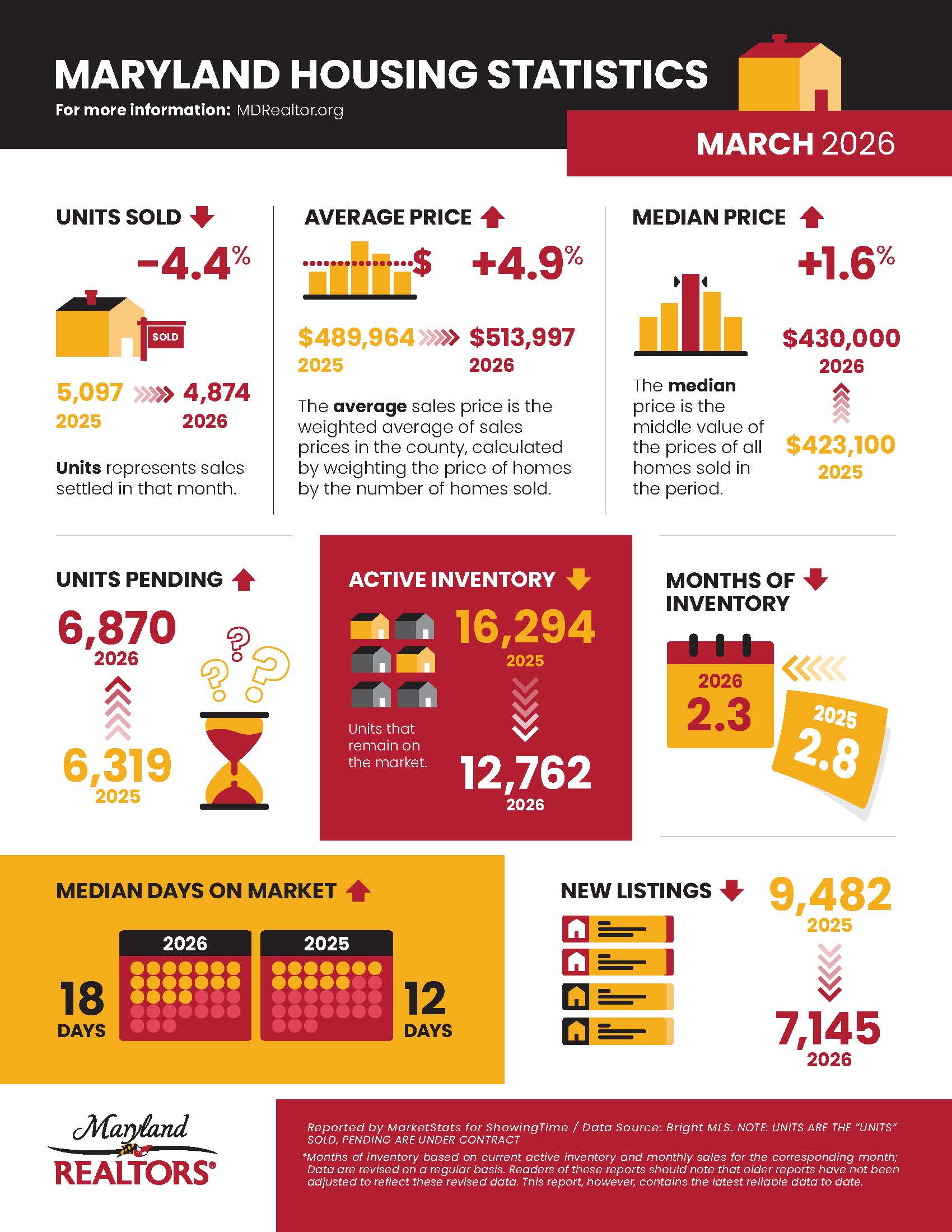
Maryland Housing Market Update: March 2026 Stats (What Buyers & Sellers Need to Know Right Now)

If you’ve been watching the news lately, you’ve probably heard everything from “the market is slowing” to “the crash is coming.” And honestly? I get why people are confused. The headlines don’t match what people are actually experiencing in real life.

I’m in this market every single day—talking to buyers, sellers, and agents and what I’m seeing is very different from the fear-based narratives floating around. The March 2026 housing stats for Maryland just came out, and while the numbers matter, the story behind the numbers matters more. So let’s break it down in plain English, the way I’d explain it if we were grabbing coffee.

📉 Sales Are Down… But That’s Not the Problem

  • Units Sold: 4,874 (down 4.4% year-over-year)

This is where most people panic.

Fewer homes sold = “the market must be slowing,” right?

Not exactly.

We simply don’t have enough homes to sell.

Inventory is tight, and that naturally limits how many transactions can happen. It’s not that buyers disappeared—it’s that they don’t have enough good options.

💰 Prices Are Still Climbing (Yes, Really)

  • Average Price: $513,997 (up 4.9%)
  • Median Price: $430,000 (up 1.6%)

Let me simplify this:

👉 If demand was weak, prices would be dropping.

They’re not.

Prices are still rising—just not at the insane pace we saw a few years ago. That tells you buyers are still out there, still competing, and still willing to pay for the right home.

📦 Inventory Is Low… But Not All Inventory Is Equal

  • Active Listings: 12,762 (down significantly from last year)
  • Months of Supply: 2.3 months

👉 A balanced market is 5–6 months of inventory.

We’re nowhere near that.

But here’s what I’m seeing every day:

There’s low inventory… and then there’s even lower desirable inventory.

  • Clean, updated homes → selling quickly
  • Dated homes → sitting
  • Overpriced homes → sitting or getting pulled

This is not a “sell anything” market anymore.

⏳ Homes Are Taking Longer… But Let’s Be Real

  • Median Days on Market: 18 days (up from 12)

People hear that and think: “Uh oh…”

Let’s relax for a second.

👉 18 days is still FAST.

What’s actually happening:

  • Buyers are being more selective
  • Pricing matters again
  • Presentation matters again

This is a shift toward a healthier, more balanced dynamic—not a collapse.

📉 New Listings Dropped (And That’s a Big Deal)

  • New Listings: 7,145 (down from 9,482 last year)

This is the quiet problem in the market.

A lot of homeowners are locked into low interest rates and simply don’t want to move.

So what happens?

👉 Fewer homes hit the market
👉 Inventory stays tight
👉 Prices stay supported

It’s a cycle—and it’s not breaking anytime soon.

⚠️ What This Market Means for Homeowners Under Pressure

Here’s something I’m starting to see more of—and it’s not being talked about enough.

As interest rates have gone up and affordability has tightened, there are some homeowners quietly feeling pressure.

Not everyone… but it’s there.

  • Adjustable payments resetting
  • Job or income changes
  • People who bought at peak prices with minimal equity

👉 And in some cases…
the numbers just aren’t working anymore

Now here’s the part most people don’t realize:

They think their only options are:

  • Keep struggling to make payments
  • Or go into foreclosure

That’s not true.

There’s a third option that more homeowners should at least understand…
👉 a short sale

🧩 A Short Sale Isn’t a Failure—It’s a Strategy

In simple terms, a short sale is when you sell your home for less than what you owe—and the bank agrees to it.

And before you think “that sounds bad,” let me be clear:

👉 Banks often prefer short sales over foreclosure

Why?

Because foreclosure is expensive, slow, and unpredictable for them.

A short sale gives:

  • More control
  • Less credit damage
  • A cleaner exit 

👀 What I’m Seeing Right Now in Maryland

I’m not saying we’re in some wave of foreclosures—because we’re not.

But I am seeing early signs of what I’d call:

👉 “quiet distress”

  • People stretched thin
  • People unsure what their options are
  • People waiting too long to ask questions

And here’s the truth:

👉 Most homeowners don’t realize they qualify for a short sale until it’s almost too late

🔗 If You Want a Full Breakdown of Short Sales

I put together a full guide that walks through exactly how short sales work here in Maryland:

👉 What Is a Short Sale and How Does It Work in Maryland? (Baltimore Guide)

🔥 Buyers Haven’t Gone Anywhere

  • Pending Sales: 6,870 (up from 6,319)

This is one of the most important stats in the entire report.

👉 More homes are going under contract right now than last year.

That means buyers are still active. They’re just being smarter about what they choose.

💡 Dan’s Take

Here’s the real talk.

The market didn’t get weaker—it got more disciplined.

For a while, you could throw a house on the market and it would sell no matter what. That’s over.

Now?

Buyers are doing the math. Higher interest rates mean higher payments, so expectations are higher too.

What I’m seeing right now is a split market:

👉 The right homes still sell fast and for strong prices
👉 The wrong homes sit… or disappear

Inventory is still low, but a lot of what’s out there just isn’t great—and buyers are calling it out by not moving on it.

This isn’t a hot market or a cold market—it’s a smart market.

So where does that leave you?

If you’re a seller, you still have the advantage—but you need to be realistic about pricing and presentation. The days of testing the market and hoping for a bidding war are mostly behind us.

If you’re a buyer, you’ve got more breathing room than you did a couple of years ago—but when the right home comes along, you still need to move decisively.

The Maryland housing market in 2026 isn’t broken—it’s just more thoughtful. And honestly? That’s a good thing. It rewards preparation, strategy, and working with someone who actually understands what’s happening.

If you’re dealing with a situation where the numbers aren’t working anymore, or you just want to understand your options before things get stressful… reach out. There are more solutions than most people realize.


Dan McDevitt

President | Realvolution Homes Group

Realtor® | Cummings & Company Realtors

📱 Call or Text: 410-670-4762

📧 Email: dan@realvolutionhomes.com

🌐 Website: https://www.realvolutionhomes.com

🏢 Office:

Cummings & Company Realtors

9607 Belair Road

Baltimore, MD 21236

🔗 Helpful Resources & Links:

👉 https://linktr.ee/realvolutionhomes


About Dan McDevitt

Dan McDevitt is a Baltimore, Maryland Realtor with Cummings & Company Realtors and President of Realvolution Homes Group. He specializes in short sales, foreclosure prevention, estate sales, and helping homeowners navigate complex real estate situations.

Posted in Dan's Updates
April 21, 2026

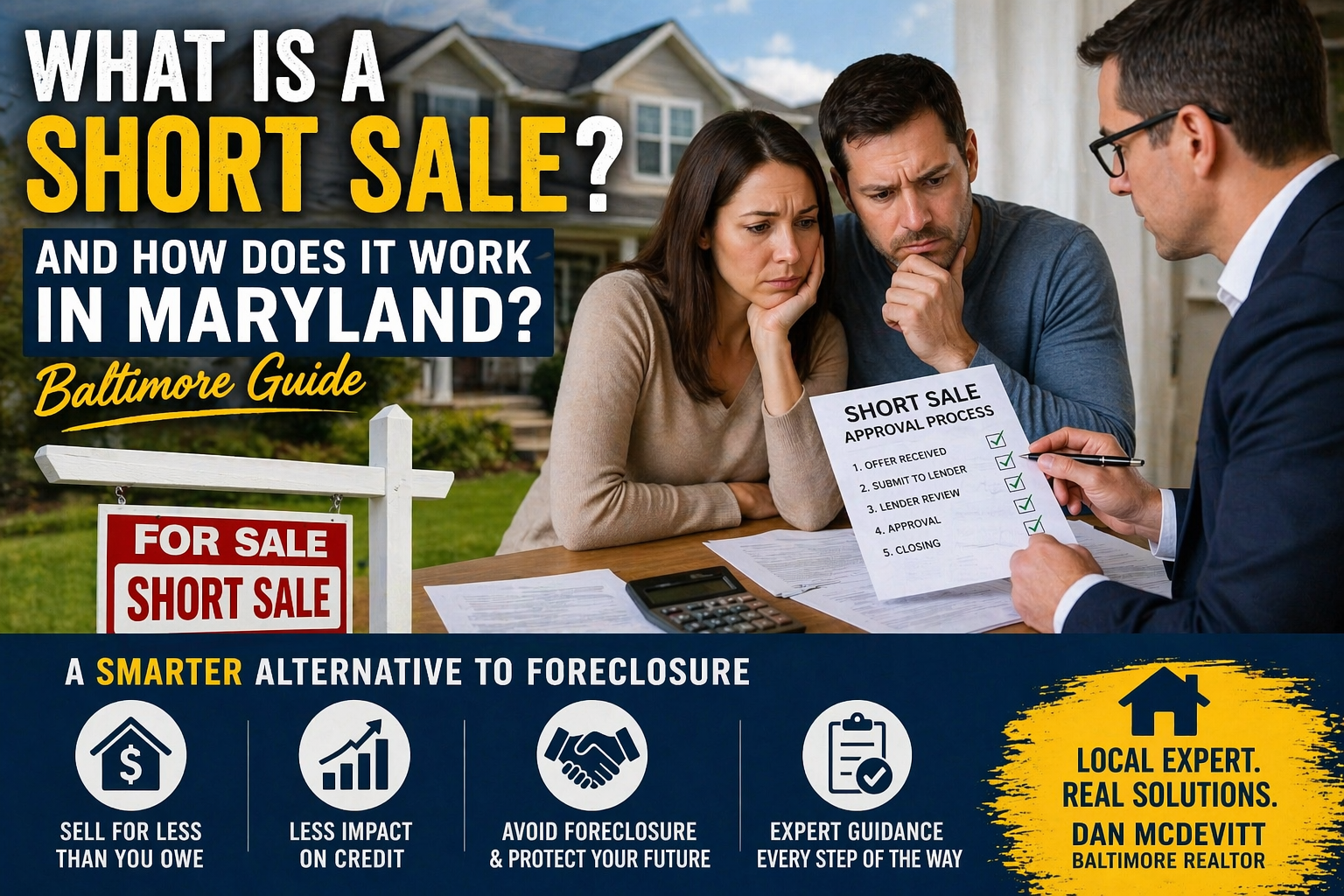
What Is a Short Sale and How Does It Work in Maryland? (Baltimore Guide)

A short sale isn’t a failure—it’s a strategy. The problem is, most people don’t know that until it’s too late.

If you owe more on your house than it’s worth, you might feel stuck.

I talk to homeowners in the Baltimore, Maryland area all the time who are in this exact situation, and most of them think they only have two options:

Keep paying… or lose the house to foreclosure.

That’s not true.

There’s a third option that a lot of people don’t fully understand—a short sale.

As a Baltimore real estate agent who has helped homeowners navigate short sales for years, I’m going to break down what a short sale actually is, how it works in Maryland, and when it might make sense for you.

What Is a Short Sale?

A short sale is when you sell your home for less than what you owe on the mortgage—and the bank agrees to accept that lower amount.

👉 In simple terms:
You’re “short” on the payoff… and the lender approves it.

Example:

  • You owe: $400,000
  • Home value: $350,000
  • Bank agrees to accept: $350,000

That’s a short sale.

Why Would a Bank Agree to This?

Because foreclosure is expensive.

When a bank takes a home through foreclosure, they often lose:

  • Legal fees
  • Holding costs
  • Property condition issues
  • Time

👉 In many cases, a short sale is the lesser loss

And that’s why lenders are often open to it—if it’s handled correctly.

How Does a Short Sale Work in Maryland?

Here’s the basic process:

  1. List the property for sale
  2. Receive an offer from a buyer
  3. Submit the offer to the lender
  4. Lender reviews financial hardship + property value
  5. Bank approves, denies, or negotiates
  6. Sale closes once approved

👉 The key difference from a normal sale:

The bank is involved in approving the deal.

Who Qualifies for a Short Sale?

Typically, you need to show a financial hardship, such as:

  • Job loss or reduced income
  • Medical issues
  • Divorce
  • Unexpected financial strain

👉 And most importantly:

The home is worth less than what you owe

Short Sale vs Foreclosure: What’s the Difference?

This is where things get real.

Short Sale:

  • More control
  • Less impact on credit
  • Ability to plan your next move

Foreclosure:

  • Forced process
  • More damage to credit
  • Less control over outcome

👉 Big takeaway:
A short sale is usually the cleaner exit.

What I’m Seeing Right Now in Baltimore

Here in the Baltimore real estate market, we’re starting to see:

  • More homeowners feeling pressure from higher payments
  • Some situations where values haven’t kept up with what people owe
  • Early-stage distress that hasn’t turned into foreclosure yet

As a Baltimore Realtor specializing in short sales and distressed properties, I can tell you:

👉 Most people don’t realize they qualify for a short sale until it’s almost too late.

👉 Key Takeaway

A short sale isn’t giving up—it’s taking control before things get worse.

Dan’s Take

I’ve handled short sales since 2007, and I can tell you this:

Most people wait way too long to even look at the option.

They hope the market rebounds.

They try to hang on.

They avoid the conversation.

And I get it—it’s not an easy thing to face.

But the reality is:

👉 The earlier you explore a short sale, the more leverage you have.

The people who treat it like a strategy—not a last resort—almost always come out in a better position.

If you’re in a situation where you owe more than your home is worth, you’re not stuck—you just need to understand your options.

A short sale can be a powerful way to move forward without going through foreclosure, but it needs to be handled the right way from the beginning.

Every situation is different, and the best solution depends on your goals, your timeline, and your financial picture.

If you’re in the Baltimore area and want to understand whether a short sale makes sense for you, I’m here to walk you through it—no pressure, just real guidance.


Dan McDevitt

President | Realvolution Homes Group

Realtor® | Cummings & Company Realtors

📱 Call or Text: 410-670-4762

📧 Email: dan@realvolutionhomes.com

🌐 Website: https://www.realvolutionhomes.com

🏢 Office:

Cummings & Company Realtors

9607 Belair Road

Baltimore, MD 21236

🔗 Helpful Resources & Links:

👉 https://linktr.ee/realvolutionhomes


About Dan McDevitt

Dan McDevitt is a Baltimore, Maryland Realtor with Cummings & Company Realtors and President of Realvolution Homes Group. He specializes in short sales, foreclosure prevention, estate sales, and helping homeowners navigate complex real estate situations.


Posted in Short Sales
April 10, 2026

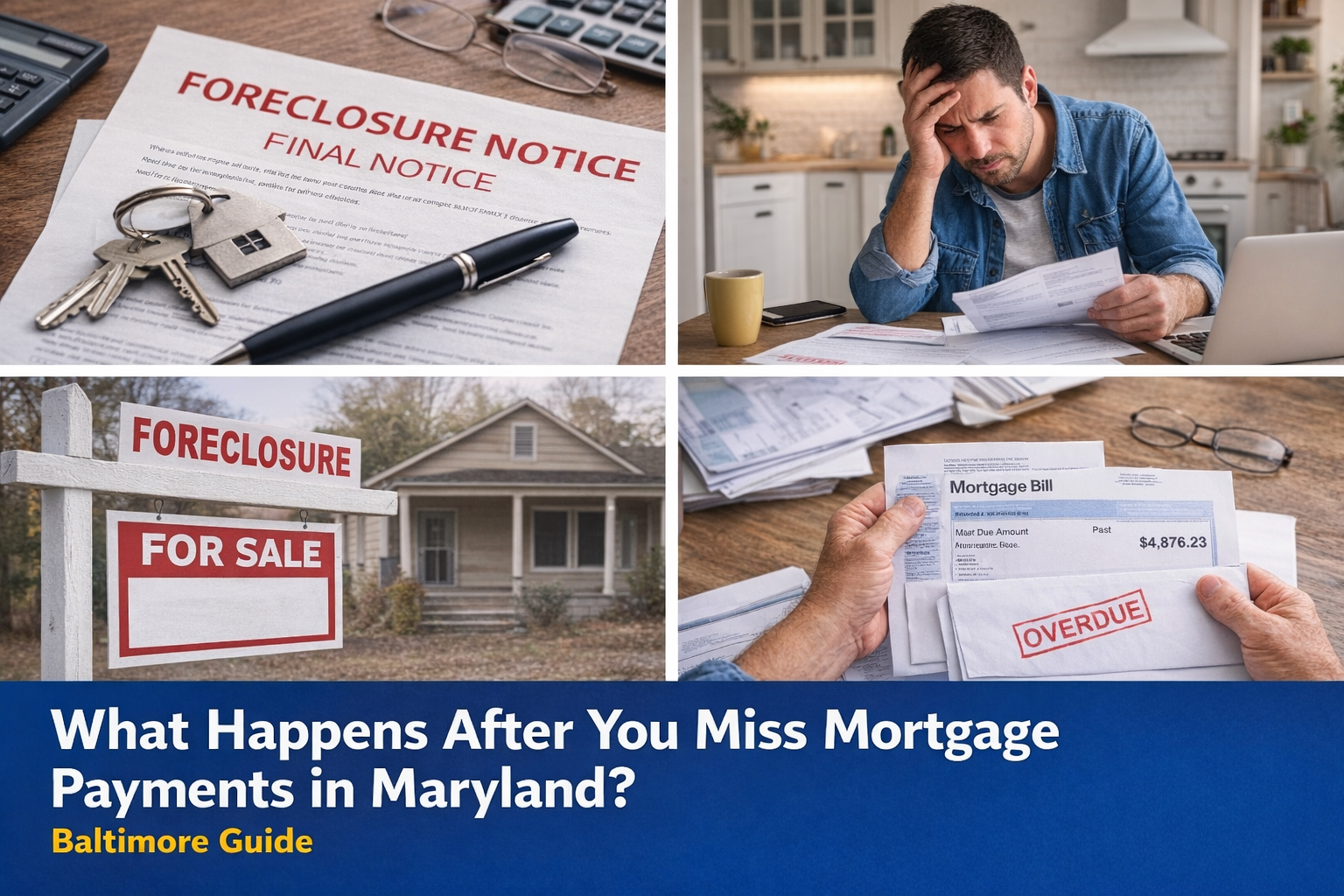
What Happens After You Miss Mortgage Payments in Maryland? (Baltimore Guide)

Missing one mortgage payment doesn’t mean you’re losing your house—but ignoring it might.

If you’ve fallen behind on your mortgage—or you’re worried you might—you’re not alone.

I talk to homeowners in the Baltimore, Maryland area every week who are dealing with this exact situation, and most of them have the same fear:

“Am I going to lose my house?”

The good news is—you usually have more time and more options than you think.

The bad news? Waiting too long can limit those options.

As a Baltimore real estate agent who works with pre-foreclosure and short sale situations, I’m going to walk you through what actually happens next—and what you can do about it.

What Happens After You Miss a Mortgage Payment?

Here’s how the timeline typically works:

  • 30 days late: You’ll get hit with late fees and reminder notices
  • 60 days late: Lender contact increases—calls, letters, urgency
  • 90 days late: You’re officially in default
  • 120+ days late: The foreclosure process may begin

👉 Important:
Foreclosure doesn’t happen overnight.

It’s a process—and that means you still have time to act.

When Does Foreclosure Start in Maryland?

Maryland is a judicial foreclosure state, which means:

  • The lender has to file a legal case
  • You’ll receive formal notices
  • There’s a timeline before anything is finalized

This isn’t instant.

👉 But the clock is ticking.

The sooner you understand your situation, the more options you have.

Can You Sell Your House Before Foreclosure?

Yes—and in many cases, that’s the smartest move.

Depending on your situation, you may be able to:

  • Sell traditionally if you have equity
  • Do a short sale if you owe more than the home is worth
  • Work out a repayment or modification plan

👉 The key is acting early.

The longer you wait, the fewer options you’ll have.

In some cases, the situation gets even more complicated when the property was inherited and tied up in an estate. If you’re dealing with that, I broke down exactly how it works here: What happens to a house during probate in Maryland.

Common Mistakes Homeowners Make

I see the same patterns over and over:

  • Ignoring calls and letters from the lender
  • Hoping the situation fixes itself
  • Waiting until the last minute to ask for help
  • Assuming foreclosure is inevitable

👉 It’s usually not.

There’s almost always a path forward—you just have to find it early enough.

What I’m Seeing Right Now in Baltimore

Here in the Baltimore housing market, I’m starting to see:

  • More homeowners feeling pressure from higher payments
  • Some early-stage pre-foreclosure situations
  • People unsure what their options actually are

As a Baltimore Realtor who works with distressed properties, I can tell you this:

👉 Most people wait longer than they should—and it costs them.

👉 Key Takeaway

Missing payments doesn’t mean you’re out of options—but waiting too long might.

If you’re behind on your mortgage—or even just worried you might fall behind—the worst thing you can do is nothing.

There are options available, and in many cases, we can create a plan that protects your credit, your equity, and your future.

Every situation is different, and the right solution depends on your goals—but the first step is understanding where you stand.

If you’re in the Baltimore area and dealing with this, I’m here to help you sort through it—no pressure, just real guidance so you can make the right move.


Dan McDevitt

President | Realvolution Homes Group

Realtor® | Cummings & Company Realtors

📱 Call or Text Me: 410-670-4762

📧 Email: dan@realvolutionhomes.com

🌐 Website: https://www.realvolutionhomes.com

🏢 Office:

Cummings & Company Realtors

9607 Belair Road

Baltimore, MD 21236

🔗 Helpful Resources & Links:

👉 https://linktr.ee/realvolutionhomes


About Dan McDevitt

Dan McDevitt is a Baltimore, Maryland Realtor with Cummings & Company Realtors and President of Realvolution Homes Group. He specializes in short sales, foreclosure prevention, estate sales, and helping homeowners navigate complex real estate situations.

Posted in Short Sales
April 9, 2026

What Happens to a House During Probate in Maryland? (Baltimore Guide)


Most people don’t realize how complicated probate is… until they’re in it.

If you’ve recently lost a loved one and now find yourself responsible for a house, you’re probably asking the same question I hear all the time:

“What do I even do with the property?”

Between legal paperwork, family decisions, and the emotional weight of it all, probate can feel overwhelming—especially here in Maryland, where the process has its own rules and timelines.

As a Baltimore real estate agent who works with estate and probate properties, I’ve helped a lot of families through this exact situation. Let me break it down for you in plain English—no legal jargon, no confusion—just what you actually need to know.

What Is Probate and Why Does It Matter?

Probate is the legal process of settling someone’s estate after they pass away.

That includes:

  • Validating the will
  • Appointing a Personal Representative (executor)
  • Paying off debts
  • Distributing assets

And if there’s a house involved?

👉 That property becomes part of the probate process.

What Happens to the House During Probate?

Here’s the simple version:

The home doesn’t automatically transfer to heirs right away.

Instead:

  • The court gives authority to the Personal Representative
  • That person is responsible for managing the property
  • The home may need to be maintained, insured, and secured

In many cases, the house just… sits there for a while.

And that’s where problems start.

Can You Sell a House During Probate in Maryland?

Yes—and this is where a lot of people get confused.

In Maryland, you can sell a property during probate, but:

  • You need court approval (in many cases)
  • The sale must be handled properly through the estate
  • Timing and documentation matter

The biggest mistake I see?
Families waiting too long because they think they can’t sell yet.

Common Mistakes Families Make With Probate Homes

I see the same issues over and over:

  • Letting the property sit vacant too long
  • Not maintaining insurance
  • Waiting on family decisions that never get made
  • Thinking they have to clean everything out before selling

👉 You don’t need to do all that first.

There are ways to sell these homes as-is, without taking on unnecessary stress.

What This Looks Like in Baltimore

Here in the Baltimore real estate market, probate homes are more common than people realize.

And depending on the situation, you may have options like:

  • Selling the home as-is
  • Cleaning it out first and maximizing value
  • Exploring investor offers vs traditional listing

As a Baltimore Realtor experienced with estate sales, my job is to help you understand those options—not push you into one.

👉 Key Takeaway

You don’t have to figure this out alone—and you don’t have to do everything before selling.

Dan’s Take

Probate isn’t just a legal process—it’s an emotional one.

Most families I work with aren’t just dealing with a house… they’re dealing with memories, stress, and sometimes complicated family dynamics.

What I’ve learned over the years is this:

👉 The smoother the process, the better the outcome.

And that usually comes down to having the right plan early—not waiting until things get overwhelming.

If you’re dealing with a probate property in Baltimore, take a breath—you’ve got options.

The process can feel confusing at first, but once you understand the steps and your role, it becomes a lot more manageable.

Whether you’re ready to sell now or just trying to figure out what comes next, the most important thing is having the right information and guidance.

I’ve helped a lot of families through this, and every situation is different—but the goal is always the same: make it as simple and stress-free as possible.


Dan McDevitt

President | Realvolution Homes Group

Realtor® | Cummings & Company Realtors

📱 Call or Text: 410-670-4762

📧 Email: dan@realvolutionhomes.com

🌐 Website: https://www.realvolutionhomes.com

🏢 Office:

Cummings & Company Realtors

9607 Belair Road

Baltimore, MD 21236

🔗 Helpful Resources & Links:

👉 https://linktr.ee/realvolutionhomes


About Dan McDevitt

Dan McDevitt is a Baltimore, Maryland Realtor with Cummings & Company Realtors and President of Realvolution Homes Group. He specializes in estate sales, probate properties, short sales, and helping homeowners navigate complex real estate situations.

April 8, 2026

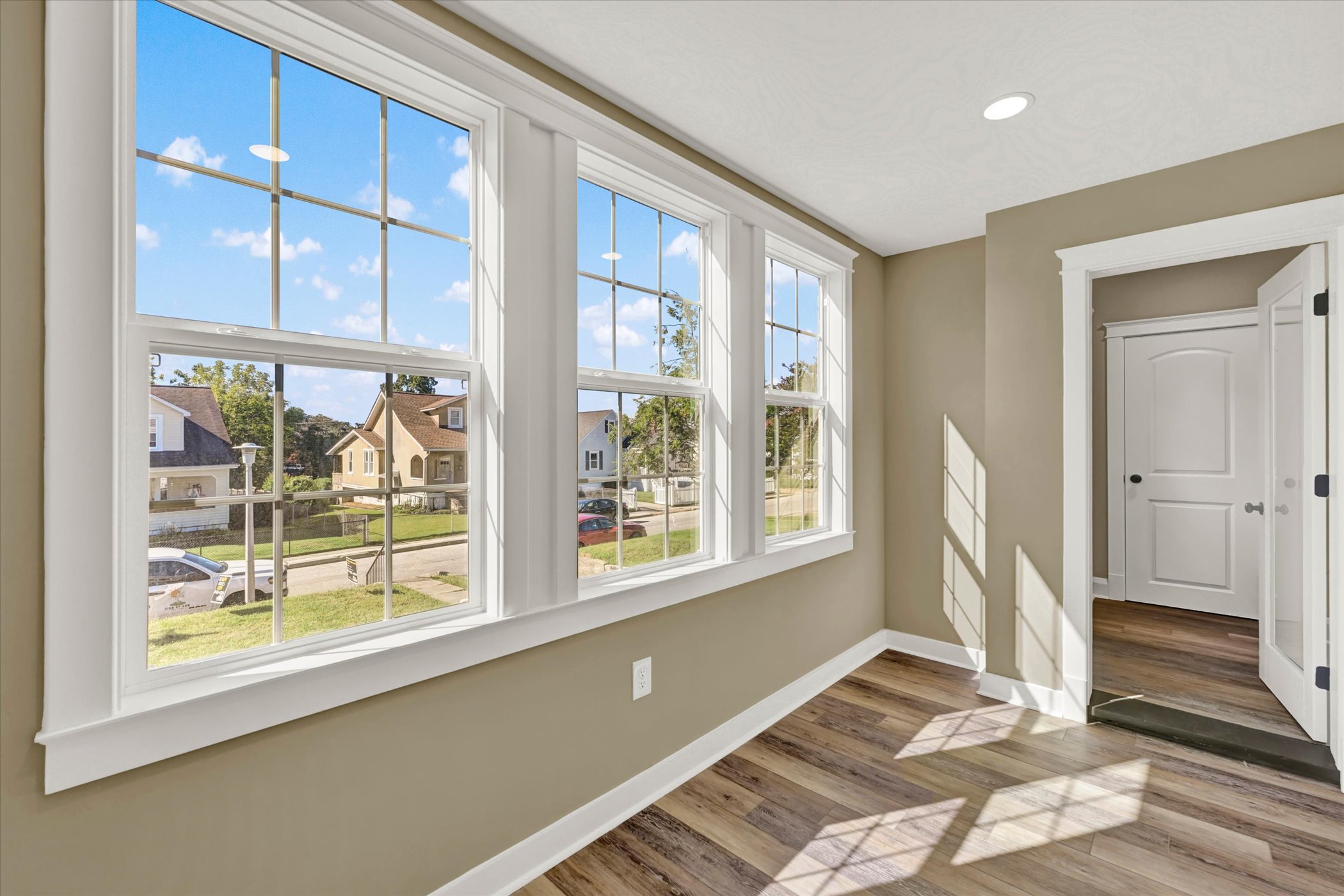
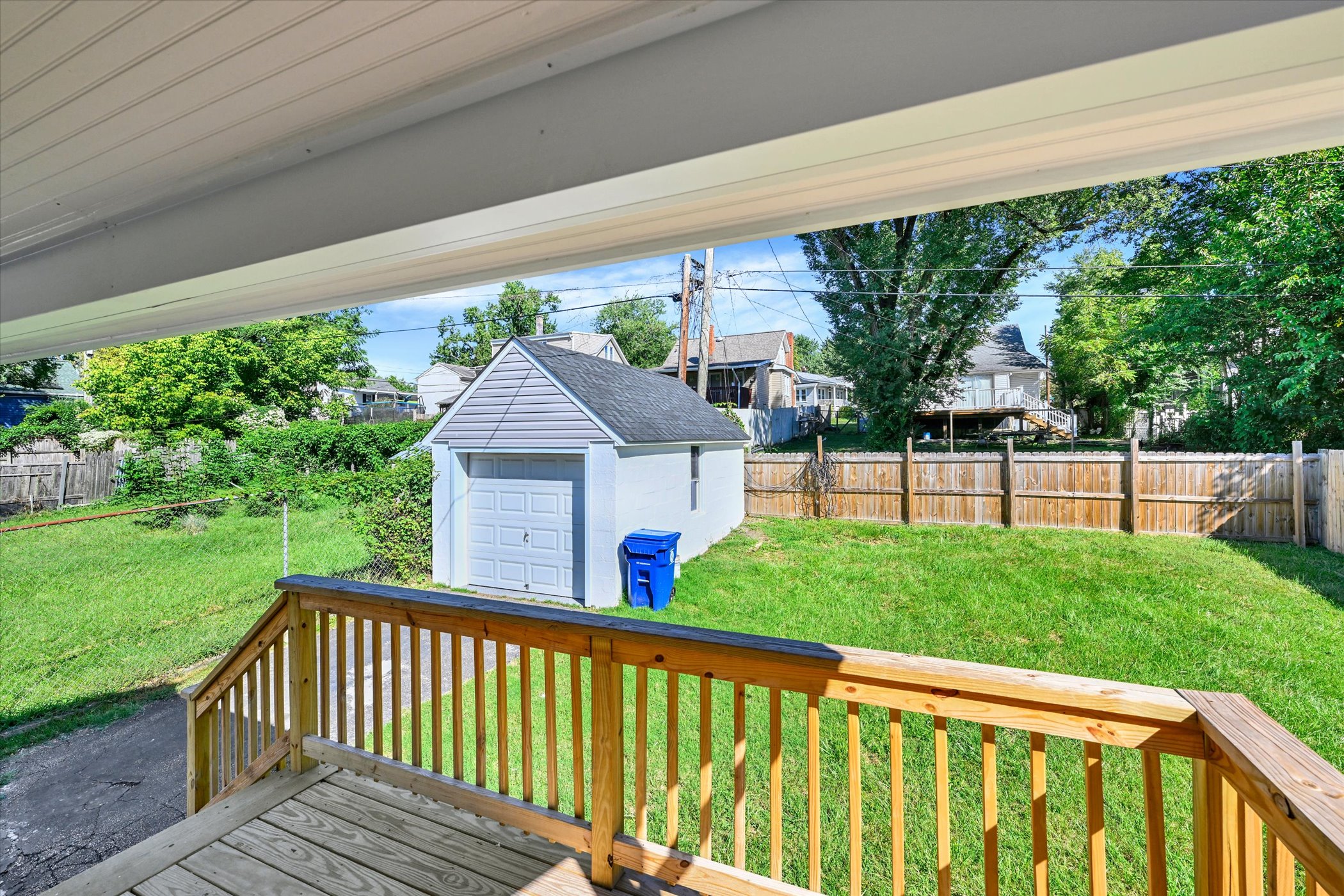
Bank-Approved Short Sale in Glen Burnie: Buy Below Market at 6214 Flamingo Drive

🔥 Bank-Approved Short Sale in Glen Burnie — Buy Below Market at 6214 Flamingo Drive


Most buyers right now feel like they’re chasing the market. This is one of those rare opportunities where you can actually get ahead of it.

Welcome to 6214 Flamingo Drive, Glen Burnie, MD 21060 — a bank-approved short sale that offers something today’s market hasn’t given buyers much of lately: clarity, structure, and real value.

🏡 A Different Kind of Opportunity

Let’s cut through the noise.

This isn’t a bidding war.
This isn’t guesswork.
This isn’t a seller trying to squeeze every last dollar out of the deal.

This is a short sale with a bank-approved price already in place, which means the heavy lifting has already been done. The lender has reviewed the property, ordered the appraisal, and established the terms needed to get the deal closed.

That changes everything for a buyer.

💡 Why This Matters in Today’s Market

Over the last few years, buyers have had to:

  • Overpay
  • Compete
  • Waive protections
  • Hope values continue rising

At 6214 Flamingo Drive, you’re walking into a situation where:

  • The pricing has already been vetted
  • The terms are defined
  • And there’s a clear path forward

That’s a completely different experience than what most buyers are used to right now.

🛠️ Opportunity to Build Value from Day One

This home is being sold as-is and does need some work—but that’s exactly where the opportunity is.

The right buyer will see:

  • A chance to personalize the home
  • The ability to improve value through updates
  • And most importantly, the ability to start with upside instead of chasing it

That’s how smart real estate decisions are made.

📍 Living in Glen Burnie, MD

Location matters—and Glen Burnie continues to deliver.

At 6214 Flamingo Drive, you’re positioned close to:

  • Major commuter routes like I-97, Route 100, and Route 10
  • Easy access to Baltimore, Annapolis, and Fort Meade
  • Shopping, dining, and everyday conveniences within minutes

This is a location that works whether you’re commuting, staying local, or planning long-term.

👤 Who This Home Is Right For

This isn’t for someone looking for turnkey perfection.

This is for:

  • A buyer who understands opportunity
  • Someone comfortable with a little work in exchange for long-term gain
  • A homeowner who wants to make a smart purchase in a competitive market

If you’re thinking about equity when you buy—not years after—you’re looking at this the right way.

⚡ What Makes This Short Sale Different

Most short sales are unpredictable and drag on for months.

This one is different because:

  • The bank has already approved the pricing structure
  • The deal has been professionally negotiated
  • The process is far more defined than a typical short sale

That significantly reduces uncertainty—and that’s a big deal.

🤝 Work with an Agent Who Understands Short Sales

Short sales are not your typical transaction. They involve lender approval, strict timelines, and a process that’s very different from a traditional sale.

Dan McDevitt is a Baltimore and Anne Arundel County real estate agent with extensive experience handling short sales, distressed properties, and complex transactions. With over 20 years in real estate, Dan has helped guide buyers and sellers through the short sale process from start to finish, working closely with lenders and third-party negotiators to keep deals moving forward.

If you’re considering a property like this, working with an agent who understands how short sales work can make a significant difference in getting from contract to closing.

Dan McDevitt

President | Realvolution Homes Group

Realtor® | Cummings & Company Realtors


📱 Call or Text: 410-670-4762

📧 Email: dan@realvolutionhomes.com

🌐 Website: https://www.realvolutionhomes.com


🏢 Office:

Cummings & Company Realtors

9607 Belair Road

Baltimore, MD 21236


🔗 Helpful Resources & Links:

👉 https://linktr.ee/realvolutionhomes


Posted in Dans Listings
April 6, 2026

630,000 More Sellers Than Buyers—What It Means for Baltimore Home Buyers and Sellers Right Now

630,000 More Sellers Than Buyers—And If You’re Not Paying Attention, This Market Will Punch You in the Face

If you think the housing market is still “hot,” you’re about one step away from learning a very expensive lesson.

The Market Didn’t Crash… It Shifted (And That’s Way More Dangerous)

For the first time in years, the balance of power has flipped—and most people haven’t caught up yet.

There are now roughly 630,000 more home sellers than buyers in the U.S.—the largest gap ever recorded.

That’s not just a stat—it’s a signal.

Because when sellers outnumber buyers like this:

  • Buyers gain leverage
  • Sellers face competition
  • Negotiation comes back
  • Strategy becomes everything

As a Baltimore real estate agent working daily with buyers and sellers, I can tell you—this shift is real, but how it plays out depends heavily on your local market.

Buyers Pulled Back… And Inventory Piled Up

Let’s be honest—buyers got worn out.

Between rising mortgage rates, affordability concerns, and getting crushed in bidding wars for two straight years, a lot of buyers stepped to the sidelines.

Buyer activity dropped to around 1.36 million active buyers, while inventory remained elevated.

That imbalance created:

  • More homes sitting on the market
  • Longer days on market
  • More price reductions
  • More cautious sellers

And when buyers have more options?

They stop rushing.
They start negotiating.
They get selective.

Is It a Good Time to Buy or Sell a Home in Baltimore Right Now?

This is one of the most common questions I get as a Baltimore Realtor.

And the answer is simple—but not always what people expect.

  • If you’re a buyer → this is the most opportunity we’ve seen in years
  • If you’re a seller → you can still win, but only with the right strategy
  • If you’re waiting for “perfect timing” → you’ll probably miss it

The best time to move isn’t about the market—it’s about your plan.

What This Means Specifically for the Baltimore Housing Market

Here’s where people get tripped up:

They read national headlines and assume it applies directly to them.

It doesn’t.

Real estate is local—and here in Baltimore, Maryland, we’re not seeing the extreme oversupply happening in places like Florida or Texas.

According to current data, Baltimore is sitting in a relatively balanced market, not a deep buyer’s market.

As a Baltimore real estate agent actively working in this market, here’s what I’m seeing on the ground:

  • Well-priced homes are still selling
  • Buyers are negotiating—but not aggressively lowballing
  • Inventory has improved, but it’s not overwhelming
  • Sellers who adapt are still getting strong results

Baltimore isn’t crashing—it’s stabilizing. And that’s where smart deals happen.

Buyers—This Is the Window You’ve Been Waiting For

If you’ve been sitting on the sidelines waiting for the market to shift… this is what you were hoping for.

Right now:

  • You have more inventory
  • You have less competition
  • You have negotiating power

We’re seeing:

  • Closing cost assistance becoming common again
  • Inspection contingencies returning
  • Sellers more willing to work with buyers

This is the first time in years buyers can move without feeling rushed or desperate.

Sellers—You Can Still Win, But the Game Changed

Here’s the truth most agents won’t say:

The “list it and hope” strategy is over.

Today’s market demands:

  • Accurate pricing (not testing the market)
  • Strong marketing (photos, video, exposure)
  • A real strategy

Because buyers now have options.

If your home is overpriced or poorly presented, they’ll move on.

But here’s the key:

Homes are still selling close to list price when positioned correctly.

That means you can still win—you just have to play it smart.

👉 Bold Takeaway You Need to Understand

This isn’t a bad market—it’s just not a lazy one anymore.

Dan’s Take 

I’ve been through the crash. I’ve been through the insanity of 2021. And now I’m watching this shift in real time.

And I’ll tell you exactly what this market is:

A thinking person’s market.

As a Baltimore real estate agent with over 20 years of experience, I can tell you—the people who win right now aren’t the ones guessing.

They’re the ones with a plan.

If you’re buying—you’ve got leverage.
If you’re selling—you’ve got opportunity.

But if you’re stuck in what the market used to be?

That’s where people lose.

Thinking About Buying or Selling in Baltimore? Let’s Talk Strategy

If you’re even considering making a move in the Baltimore housing market, don’t try to figure it out alone.

I’ll give you a straight answer, real numbers, and a clear strategy—no pressure, no fluff.

Because in today’s market…

The difference between winning and losing comes down to having the right plan.

About Dan McDevitt

Dan McDevitt is a Baltimore, Maryland Realtor with Cummings & Company Realtors and President of Realvolution Homes Group. He specializes in estate sales, probate properties, short sales, and helping homeowners navigate complex real estate situations.

With over 20 years of experience in the Baltimore housing market, Dan is known for his strategic negotiation style, strong marketing approach, and no-pressure guidance for buyers and sellers.

Dan McDevitt

President | Realvolution Homes Group

Realtor® | Cummings & Company Realtors


📱 Call or Text: 410-670-4762

📧 Email: dan@realvolutionhomes.com

🌐 Website: https://www.realvolutionhomes.com

🏢 Office:

Cummings & Company Realtors

9607 Belair Road

Baltimore, MD 21236

🔗 Helpful Resources & Links:

👉 https://linktr.ee/realvolutionhomes


Posted in Market Updates